Approval discipline
Color is treated as a production checkpoint with first article review, fabric testing, and documented restart behavior.

Kornit is presented here as an innovation-led digital textile printer brand for buyers who want to move decoration work closer to demand. The story is less about a single machine and more about a production philosophy: fewer disconnected steps, cleaner digital control, and a print room that can respond to online orders, brand experiments, and regional fulfillment without forcing every job through a long analog setup. In apparel decoration, the commercial challenge is often timing. Brands launch faster, inventory risk is less tolerated, and printed garments must still feel good, wash consistently, and meet the color expectation approved by the customer.

The Kornit narrative is rooted in a simple observation from modern apparel production: the buyer does not want to wait for a decoration method to become economical before testing an idea. Small campaigns, influencer merchandise, corporate uniforms, and regionally fulfilled web orders all demand a printer workflow that can change art quickly while keeping operator routines predictable. A digital textile printer becomes valuable when the workflow helps the business say yes to more jobs without hiding additional labor in pretreatment, setup, color matching, rework, or manual routing.
That is why the brand voice emphasizes integration. A printer is evaluated together with ink behavior, garment compatibility, software handoff, maintenance planning, and production data. This approach gives procurement teams a stronger basis for comparing DTF Printers and DTG Printers. It also helps production leaders discuss the installation in terms of trained roles, shift checkpoints, and measurable output rather than only a quoted machine price.
Digital decoration earns trust when the second shift can repeat what the first shift approved.
Color is treated as a production checkpoint with first article review, fabric testing, and documented restart behavior.
Artwork, print, cure, QC, and pack tasks are planned together so operators are not forced to improvise between systems.
Maintenance routines, consumables, and parts expectations are discussed before the printer becomes business critical.
Fleet planning considers when to add capacity, split work by garment family, or introduce transfer workflows.
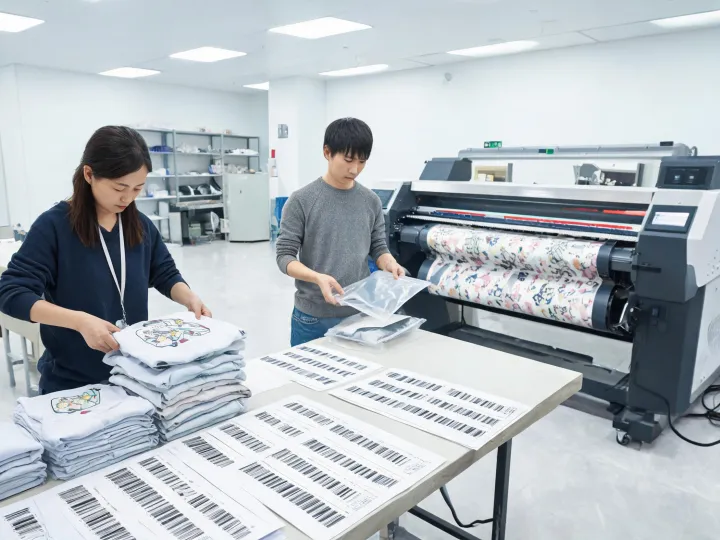
Modern textile printers serve more than large apparel factories. They support creators validating a drop, fulfillment teams shipping personalized products, brand owners reducing speculative stock, and decorators who need to quote complex work without building a separate screen setup for every design. Kornit content should therefore speak to practical communities: production managers who protect throughput, operators who need clear routines, merch teams that demand color consistency, and service partners responsible for uptime after installation.
The brand promise is strongest when it stays close to those daily realities. A digital printer should not make the room more chaotic. It should give the team better order visibility, faster sampling, cleaner changeovers, and a service model that can be explained before the first major campaign arrives. That is the standard Kornit holds itself to across products, service, application support, and ongoing innovation.
Tell the team how your orders arrive, which garments dominate the queue, and where bottlenecks appear. The recommendation can then focus on the system your operators will actually use.