Brand Logo
How we support you

Kornit Services for Printer Fleet Launches

Kornit service planning is built for operators who need a real production answer, not a loose equipment quote. A DTF or DTG printer program touches artwork intake, ink handling, garment testing, maintenance windows, color approval, operator training, and space planning. The service conversation therefore starts with the print room as a working system. Before a demo, the team reviews daily order volume, dark garment ratio, blank sourcing, file preparation, curing method, humidity control, and the support model required after installation. That early work helps buyers understand whether the printer cell can protect margin during short runs, repeat campaigns, and seasonal demand spikes.

Four launch workstreams

Four workstreams keep the printer program connected

A successful launch is rarely decided by print speed alone. The most reliable installations connect prepress decisions, operator behavior, room layout, and service readiness into one routine that can be repeated by each shift.

01

Application audit

The audit reviews garment families, transfer needs, order mix, brand color tolerances, and expected reprint rules. It separates routine cotton programs from special fabric tests so the demo agenda does not become vague. Buyers receive a practical list of production assumptions, open risks, and the samples that should be approved before a purchase decision.

02

Workflow mapping

Prepress, RIP release, operator loading, curing, QC, and packing are mapped as a single queue. This exposes handoffs that can create downtime even when the printer itself is capable. The goal is to align printer capacity with the real shipping window, not with an isolated laboratory number.

03

Installation readiness

The room plan checks power, ventilation, clearance, humidity, ink storage, platen staging, network access, and waste handling. Kornit buyers can use this review to understand what must be prepared by facilities, IT, production leadership, and maintenance before equipment arrival.

04

Operator enablement

Training is organized around daily behavior: startup checks, garment loading, white ink control, first article approval, shift-end cleaning, and escalation routes. The documentation gives supervisors a consistent language for coaching new operators without relying only on tribal knowledge.

Impact model

Measure service by fewer surprises during live production

Service value appears when a print room can keep orders visible, isolate quality issues quickly, and return a printer to production without confusion. These planning indicators are intentionally operational, because plant managers and fulfillment leads need numbers they can use during a shift meeting.

24 hrdemo brief turnaround

Document the application assumptions while the sample discussion is still fresh.

4 zonesroom readiness review

Power, airflow, operator clearance, and consumable staging are checked together.

3 rolestraining paths

Operators, production leads, and maintenance staff receive different checklists.

1 queuelaunch handoff

Artwork, print, cure, QC, and pack decisions are kept in one visible workflow.

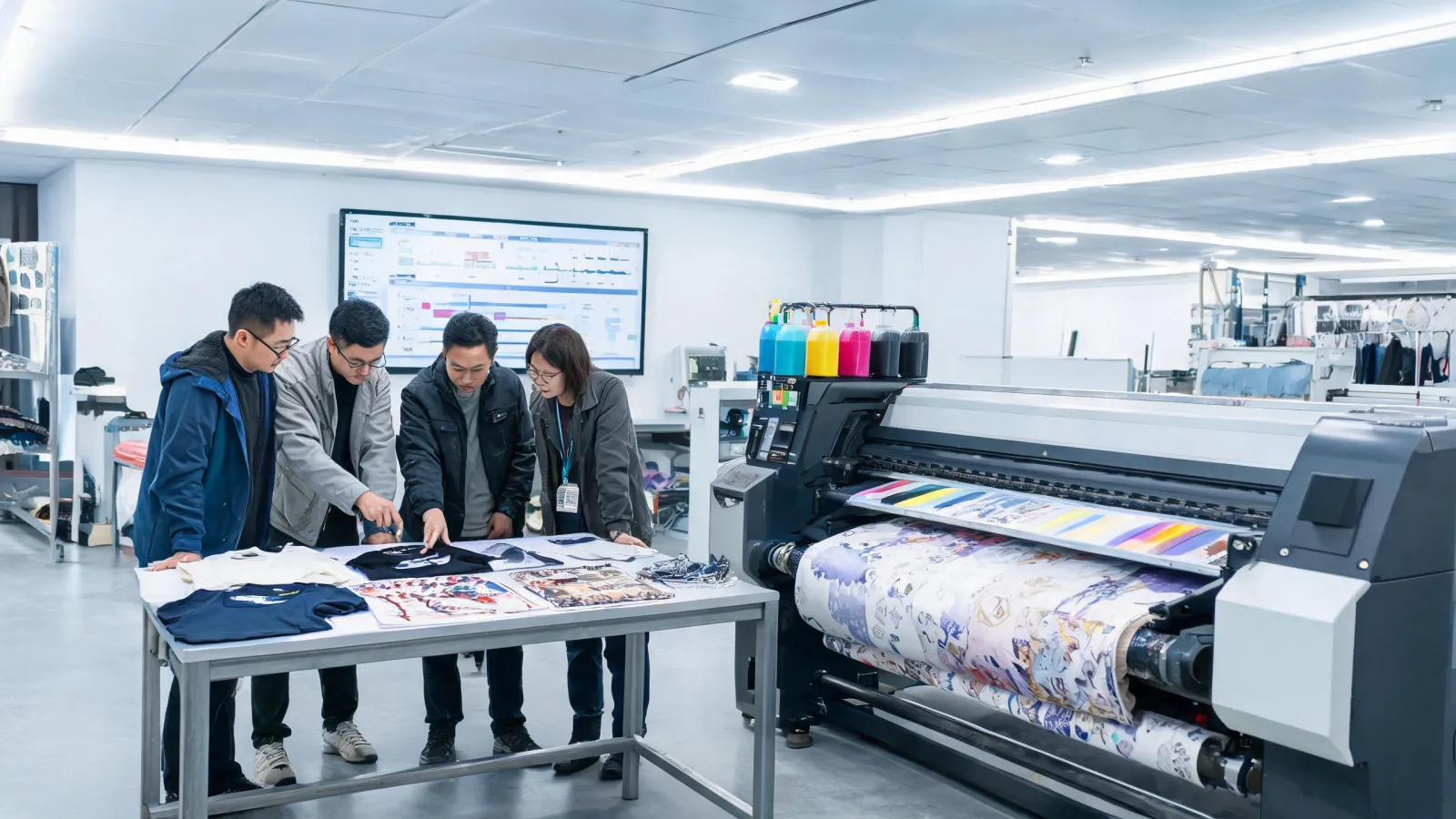
Kornit printer service planning session
Service review

Request a printer launch readiness session.

Share your daily volume target, garment list, transfer expectations, and preferred installation window. The response will focus on practical setup steps, not generic capability claims.